In today’s fast-paced world, finding time to slow down and reconnect with yourself or with others has become increasingly important. A retreat house provides a peaceful setting where individuals, families, businesses, and organizations can step away from everyday responsibilities and focus on relaxation, learning, personal growth, or meaningful relationships. Unlike busy hotels or entertainment-focused resorts, a retreat house offers a calm environment designed to encourage reflection, collaboration, and renewal. Whether you are planning a corporate workshop, a spiritual gathering, a wellness weekend, or a family reunion, choosing the right retreat house can greatly enhance the overall experience. The tranquil surroundings, comfortable accommodations, and thoughtfully designed facilities make every stay more purposeful and memorable. As more people recognize the value of unplugging from daily routines, retreat houses continue to grow in popularity for a wide range of occasions. This guide explores everything you need to know about selecting the ideal retreat house and making the most of your retreat experience.
What Is a Retreat House?
A retreat house is a dedicated venue designed to provide guests with a peaceful environment for rest, reflection, learning, and meaningful interaction. Unlike traditional hotels, a retreat house prioritizes comfort, privacy, and a distraction-free atmosphere rather than entertainment or luxury alone. These venues often accommodate groups participating in spiritual retreats, wellness programs, corporate planning sessions, educational workshops, and family gatherings. Many retreat houses are located in scenic destinations surrounded by nature, allowing visitors to enjoy fresh air, quiet surroundings, and beautiful landscapes. The calm setting encourages participants to disconnect from technology and daily pressures while focusing on their personal or group objectives. Depending on the location, a retreat house may include meeting halls, gardens, meditation spaces, recreational facilities, dining areas, and overnight accommodations. Regardless of the purpose of the visit, a retreat house creates an environment where people can recharge, strengthen relationships, and gain new perspectives.
Why Choose a Retreat House?
Choosing a retreat house offers numerous benefits that go beyond simply finding a place to stay. One of the greatest advantages is the peaceful atmosphere, which helps guests temporarily escape the demands of work, school, and everyday responsibilities. Without the usual distractions of busy city life, participants often find it easier to focus on relaxation, personal reflection, or productive discussions. For businesses, retreat houses create an ideal setting for strategic planning, leadership development, and team-building activities that encourage stronger communication among employees. Families and friends also benefit from the private environment, allowing them to reconnect and spend quality time together without constant interruptions. Wellness retreats held at a retreat house often include activities such as yoga, meditation, mindfulness exercises, and nature walks that contribute to improved mental and emotional well-being. Whether your goal is spiritual renewal, professional development, or personal relaxation, a retreat house provides the ideal setting to accomplish it.
Types of Retreat Houses
Not every retreat house serves the same purpose. Different retreat houses are designed to meet the needs of specific groups and activities, making it important to choose one that aligns with your goals. Understanding the various types of retreat houses can help you find the perfect location for your upcoming event or getaway. Each type offers unique amenities, programs, and environments tailored to different experiences. From peaceful spiritual sanctuaries to modern corporate facilities, there is a retreat house suitable for nearly every occasion. Exploring these options allows organizers to create meaningful experiences for every participant. Below are some of the most common types of retreat houses available today.
Spiritual Retreat Houses
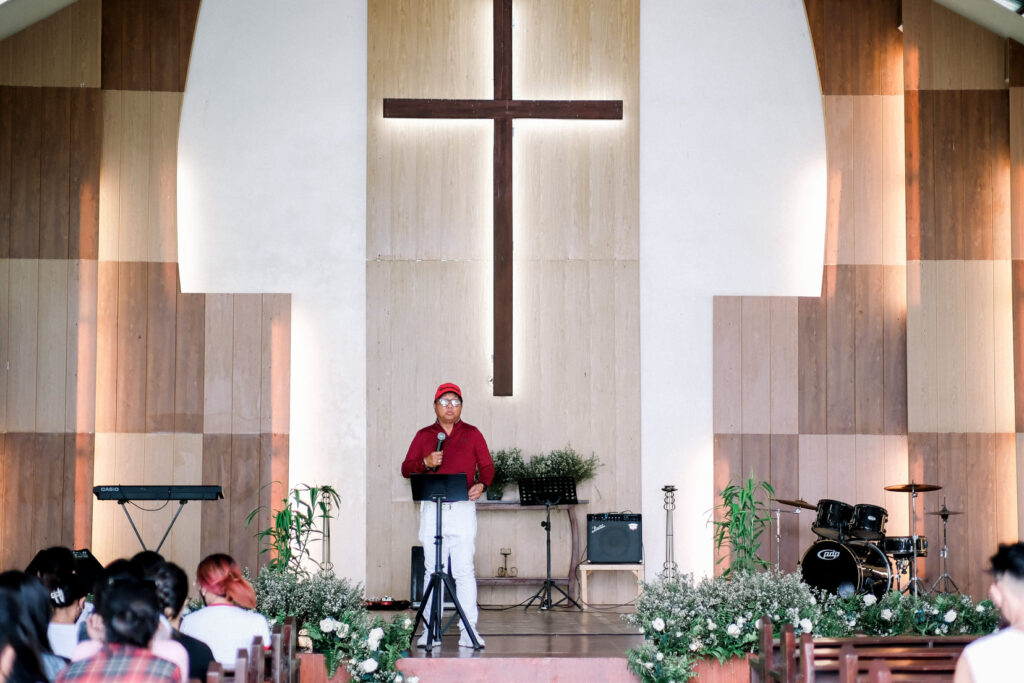
Spiritual retreat houses provide a quiet and welcoming environment for individuals seeking deeper faith, personal reflection, or spiritual growth. These retreat houses are commonly used by churches, religious organizations, and faith-based communities for prayer gatherings, worship services, and spiritual formation programs. Many feature chapels, meditation gardens, prayer rooms, and peaceful outdoor spaces that support contemplation and reflection. Participants often engage in guided discussions, scripture study, silent reflection, and community worship during their stay. The calm surroundings help guests disconnect from worldly distractions and focus on strengthening their spiritual lives. Many spiritual retreat houses also welcome individuals who simply wish to enjoy solitude and inner peace, regardless of religious affiliation. This makes them valuable destinations for anyone seeking a meaningful break from everyday routines.
Wellness Retreat Houses
A wellness-focused retreat house is designed to promote physical, emotional, and mental well-being through healthy activities and relaxing environments. These retreat houses often host yoga retreats, mindfulness workshops, stress management programs, and holistic wellness events. Guests may participate in guided meditation sessions, breathing exercises, fitness classes, and nutrition-focused activities that encourage healthier lifestyles. Many wellness retreat houses are located near forests, mountains, lakes, or gardens, providing a natural setting that enhances relaxation. Healthy dining options, spa treatments, and outdoor recreational opportunities further support guests’ overall wellness goals. Spending time in a wellness retreat house can help reduce stress, improve focus, and encourage healthier daily habits. Many visitors leave feeling refreshed, energized, and motivated to maintain positive lifestyle changes long after returning home.
Corporate Retreat Houses
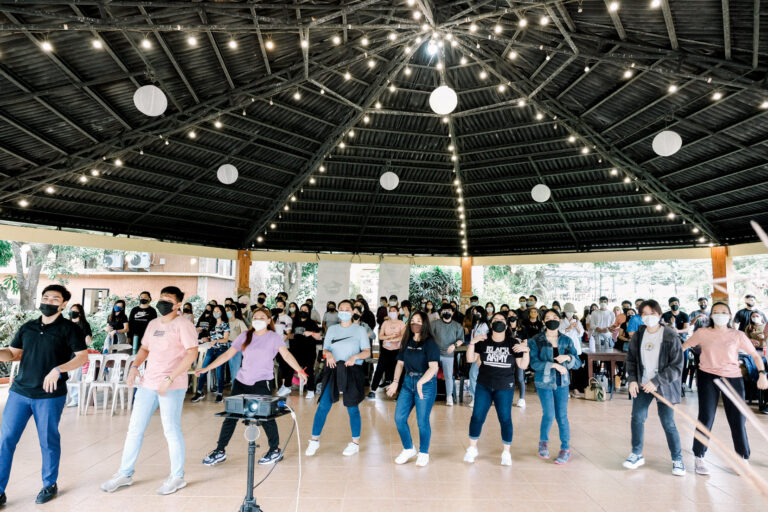
Businesses increasingly choose a retreat house as a venue for leadership development, employee training, strategic planning, and team-building activities. Unlike traditional conference centers, retreat houses offer a more relaxed atmosphere that encourages creativity, open communication, and collaboration. Employees often feel more comfortable sharing ideas and participating in discussions when surrounded by peaceful natural environments rather than formal office settings. Many corporate retreat houses include fully equipped meeting rooms, presentation facilities, breakout spaces, high-speed internet, and comfortable accommodations for overnight events. Outdoor activities such as obstacle courses, team games, and problem-solving exercises help strengthen teamwork while creating memorable experiences. A corporate retreat house also allows organizations to celebrate milestones, recognize achievements, and invest in employee development. These retreats often lead to stronger workplace relationships and improved organizational performance.
Family and Private Retreat Houses
Families, friends, and private groups often rent a retreat house for reunions, celebrations, birthdays, anniversaries, and weekend getaways. These retreat houses offer spacious accommodations where guests can spend uninterrupted quality time together in a comfortable environment. Many feature large dining areas, outdoor gardens, recreational facilities, barbecue spaces, and entertainment rooms suitable for all ages. Unlike crowded vacation destinations, a private retreat house allows guests to enjoy exclusive use of the property, creating a more intimate experience. Children can safely explore outdoor spaces while adults relax, socialize, or participate in planned activities. Families appreciate the flexibility to create personalized schedules without the limitations of commercial resorts. The peaceful surroundings encourage meaningful conversations, stronger family bonds, and lasting memories that everyone can cherish.
Creative Retreat Houses
Creative professionals often choose a retreat house to focus on artistic projects without the distractions of daily life. Writers, painters, photographers, musicians, designers, and content creators benefit from peaceful surroundings that inspire imagination and productivity. Many creative retreat houses provide quiet workspaces, scenic outdoor areas, and comfortable accommodations that support uninterrupted creative sessions. Workshops, collaborative projects, and networking opportunities allow participants to exchange ideas and learn from fellow creatives. Nature often serves as a source of inspiration, encouraging artists to develop fresh perspectives and innovative concepts. Extended stays at a retreat house also provide valuable time for completing projects that require concentration and reflection. Whether working independently or collaborating with others, creative retreat houses offer an environment where inspiration can flourish.
Essential Features of a Great Retreat House
Selecting the right retreat house involves more than simply finding an attractive location. The best retreat houses combine comfort, functionality, and a peaceful atmosphere to create an enjoyable experience for every guest. Whether you are organizing a corporate event, a wellness retreat, or a family gathering, the available amenities play a major role in the success of the occasion. A well-equipped retreat house should support both relaxation and productivity while accommodating the unique needs of different groups. From comfortable lodging to outdoor recreational spaces, every feature contributes to the overall experience. Paying close attention to these details helps ensure that participants remain comfortable, engaged, and satisfied throughout their stay. Below are some of the most important features to look for when choosing a retreat house.
Comfortable Accommodations
Comfortable accommodations are one of the first things guests notice when arriving at a retreat house. Clean, spacious, and well-maintained rooms create a welcoming atmosphere that allows visitors to relax after a full day of activities. Many retreat houses offer a variety of lodging options, including private rooms, shared dormitories, family suites, and group accommodations to meet different preferences and budgets. Comfortable beds, clean linens, reliable air conditioning or heating, and private bathrooms contribute significantly to guest satisfaction. Some retreat houses also include balconies or patios where guests can enjoy the surrounding scenery in a quiet setting. Thoughtfully designed accommodations help participants sleep well and feel refreshed for the next day’s activities. Investing in guest comfort ultimately enhances the overall retreat experience.
Meeting and Activity Spaces
A quality retreat house should provide versatile meeting and activity spaces that support a variety of programs and group sizes. Large conference halls are ideal for seminars, presentations, and worship services, while smaller breakout rooms encourage discussions, workshops, and collaborative planning sessions. Flexible seating arrangements allow organizers to customize the layout based on the event’s objectives. Some retreat houses also provide audio-visual equipment, projectors, sound systems, and presentation screens that simplify event planning. Outdoor pavilions, gardens, and open lawns create additional opportunities for group exercises, meditation sessions, or recreational activities. Having multiple functional spaces allows organizers to maintain a balanced schedule that includes both structured learning and relaxation. Well-designed meeting facilities contribute to a productive and engaging retreat.
Dining Facilities
Food is an important part of any retreat experience, making quality dining facilities an essential feature of a retreat house. Many retreat houses provide full-service dining halls where guests can enjoy freshly prepared meals together, fostering conversation and community. Some venues offer customizable menus that accommodate dietary restrictions, allergies, vegetarian preferences, and wellness-focused meal plans. Buffet-style dining allows participants to choose from a variety of healthy options while simplifying meal service for larger groups. Outdoor picnic areas and barbecue facilities also create opportunities for casual gatherings and social interaction. Sharing meals together strengthens relationships and provides valuable breaks between scheduled activities. Reliable dining services allow organizers to focus on the retreat program without worrying about meal logistics.
Outdoor Amenities
One of the defining characteristics of a retreat house is its connection to nature. Beautiful gardens, walking trails, meditation spaces, and open green areas provide guests with opportunities to relax and recharge throughout their stay. Many retreat houses are located near forests, mountains, lakes, or scenic countryside, creating a peaceful backdrop for reflection and recreation. Outdoor amenities may include gazebos, bonfire areas, sports courts, swimming pools, or obstacle courses depending on the venue’s focus. These spaces encourage participants to engage in physical activity, enjoy fresh air, and appreciate the natural surroundings. Spending time outdoors has been shown to reduce stress, improve mood, and increase mental clarity. A retreat house with thoughtfully designed outdoor areas offers guests a refreshing escape from their everyday environment.
Modern Conveniences
Although many people visit a retreat house to disconnect from daily distractions, modern conveniences still play an important role in creating a comfortable stay. Reliable Wi-Fi allows organizers to conduct presentations, access online resources, or stay connected when necessary. Audio-visual equipment supports workshops, training sessions, and multimedia presentations without requiring outside rentals. Adequate parking, accessible pathways, and accommodations for guests with disabilities ensure that everyone can enjoy the retreat comfortably. Security measures such as gated entrances, on-site staff, and emergency preparedness also contribute to peace of mind. Some retreat houses offer business centers, charging stations, laundry services, and transportation assistance for added convenience. Balancing modern amenities with a peaceful atmosphere creates an experience that is both comfortable and productive.
How to Choose the Right Retreat House
Choosing the ideal retreat house requires thoughtful planning and careful consideration of your group’s goals and expectations. Every retreat is unique, and selecting the right venue can significantly influence the overall experience. Rather than focusing only on appearance or price, organizers should evaluate multiple factors that affect comfort, convenience, and program success. From location and accommodations to available amenities and budget, every detail deserves attention before making a reservation. Taking time to research different options reduces the likelihood of unexpected challenges during the event. A well-chosen retreat house helps participants remain focused, comfortable, and fully engaged throughout the gathering. The following considerations can help simplify the selection process.
Consider Your Purpose
The first step in selecting a retreat house is identifying the primary purpose of the retreat. A spiritual retreat may require quiet prayer spaces and chapels, while a corporate retreat often benefits from meeting rooms, presentation equipment, and collaborative workspaces. Wellness retreats typically prioritize yoga studios, meditation gardens, and healthy dining options that support participants’ well-being. Family gatherings may require larger accommodations, recreational facilities, and child-friendly spaces for guests of all ages. Clearly defining your objectives makes it easier to narrow your choices and compare venues based on their strengths. Matching the retreat house to your planned activities ensures a more enjoyable experience for everyone involved. This thoughtful approach helps maximize the value of the retreat.
Evaluate the Location
The location of a retreat house greatly influences the overall atmosphere and accessibility of the event. A peaceful countryside setting surrounded by nature can encourage relaxation and reflection, while venues located near major cities offer greater convenience for traveling participants. Organizers should consider driving distance, transportation options, nearby attractions, and emergency services when evaluating potential locations. Scenic surroundings such as mountains, lakes, forests, or gardens often enhance the retreat experience by providing beautiful views and opportunities for outdoor activities. Weather conditions during the planned retreat dates should also be considered, especially if outdoor programs are included. Choosing a location that aligns with the retreat’s objectives creates a more immersive and enjoyable experience. Accessibility and natural beauty often work together to make a retreat house especially memorable.
Check the Capacity
Every retreat house has a maximum guest capacity, making it important to choose a venue that comfortably accommodates your entire group. Overcrowded facilities can reduce comfort, limit participation, and create unnecessary stress during the event. Organizers should verify the number of available guest rooms, meeting spaces, dining seats, and recreational areas before making a reservation. Some retreat houses specialize in intimate gatherings, while others are designed for large conferences or organization-wide retreats. Ensuring that the venue matches your expected attendance allows everyone to participate comfortably in scheduled activities. Adequate space also supports better interaction and movement throughout the property. Selecting the proper capacity contributes to a smoother and more enjoyable retreat experience.
Review Amenities
Every retreat house offers a different combination of amenities, making careful comparison essential before booking. Organizers should evaluate accommodations, meeting facilities, dining services, recreational areas, internet access, and accessibility features to ensure they meet the group’s needs. Additional amenities such as swimming pools, fitness centers, hiking trails, meditation gardens, and outdoor gathering spaces may further enhance the retreat experience. Reviewing photographs, guest reviews, and detailed facility descriptions helps create realistic expectations before arrival. Some retreat houses also provide event planning assistance, equipment rentals, or activity coordination services that simplify organization. Choosing a venue with the right amenities improves participant satisfaction and supports the retreat’s overall objectives. Careful planning minimizes surprises and increases the likelihood of a successful event.
Compare Pricing and Packages
Budget plays an important role when selecting a retreat house, making it worthwhile to compare available pricing and package options. Many retreat houses offer overnight accommodations, day-use packages, all-inclusive meal plans, and discounted rates for larger groups. Understanding what is included in each package helps organizers accurately compare overall value rather than simply focusing on the lowest price. Some venues include meeting rooms, recreational activities, equipment, and meals within a single package, reducing additional expenses. Seasonal promotions and early booking discounts may also provide significant savings for larger events. Reviewing cancellation policies and payment schedules before confirming a reservation helps avoid unexpected costs later. Choosing a retreat house that balances quality, amenities, and affordability creates a rewarding experience for every participant.
Activities You Can Enjoy at a Retreat House
One of the greatest advantages of staying at a retreat house is the wide variety of activities available for guests of all ages and interests. Retreat programs can be customized to promote learning, relaxation, creativity, spiritual growth, or team development depending on the purpose of the event. Many retreat houses provide both indoor and outdoor spaces that support flexible scheduling throughout the day. Organized activities encourage participants to interact, build relationships, and enjoy meaningful experiences together. At the same time, guests often have opportunities to enjoy quiet moments of personal reflection whenever needed. The balance between structured programs and free time creates a relaxing yet engaging atmosphere. Below are some of the most popular activities commonly enjoyed at a retreat house.
Team-building exercises remain one of the most requested activities at a retreat house, especially for corporate groups seeking to strengthen collaboration and communication. Guided workshops, leadership challenges, trust-building exercises, and problem-solving games help participants develop stronger working relationships while enjoying a refreshing change of environment. Spiritual retreats often include prayer services, meditation sessions, scripture discussions, worship gatherings, and personal reflection that encourage inner peace and renewed purpose. Wellness-focused retreats may feature yoga classes, breathing exercises, mindfulness sessions, nature walks, and healthy lifestyle workshops that promote physical and emotional well-being. Families and private groups frequently enjoy outdoor games, bonfire nights, storytelling sessions, karaoke, movie nights, and shared meals that create lasting memories together. Creative retreats often include writing workshops, painting classes, photography sessions, journaling, and collaborative projects that inspire artistic expression. By offering a wide variety of enriching experiences, a retreat house becomes much more than a place to stay—it becomes a destination where meaningful connections, personal growth, and unforgettable moments naturally develop.
Benefits of Staying at a Retreat House
Choosing a retreat house is about much more than finding a quiet place to spend a few days. It is an opportunity to step away from everyday routines and focus on personal well-being, meaningful relationships, and purposeful activities. Whether the retreat is centered on faith, wellness, education, or professional development, the environment encourages participants to recharge and gain fresh perspectives. The peaceful atmosphere helps reduce distractions and creates space for thoughtful conversations, creative ideas, and personal reflection. Spending time in a retreat house also allows guests to reconnect with nature, which can have a positive impact on both physical and mental health. Every activity, shared meal, and quiet moment contributes to a more rewarding and memorable experience. These lasting benefits often continue long after the retreat has ended.
Improves Mental Well-Being
One of the greatest benefits of staying at a retreat house is the positive effect it can have on mental well-being. Leaving behind busy schedules and constant digital distractions gives people the opportunity to slow down and focus on themselves. The peaceful surroundings encourage relaxation, helping reduce stress and anxiety that often build up from daily responsibilities. Many retreat houses also offer meditation sessions, quiet gardens, and nature trails that support mindfulness and emotional balance. Spending time outdoors while enjoying fresh air and scenic views can improve mood and increase mental clarity. Guests frequently return home feeling refreshed, motivated, and better prepared to handle life’s challenges. This renewed sense of calm is one of the reasons why retreat houses continue to attract visitors throughout the year.
Strengthens Relationships
A retreat house creates an ideal setting for strengthening relationships with family, friends, coworkers, or fellow community members. Unlike busy public venues, retreat houses encourage meaningful conversations without constant interruptions from everyday life. Shared activities such as workshops, group discussions, outdoor adventures, and communal meals naturally bring people closer together. Corporate teams often develop stronger communication and trust through collaborative exercises and leadership activities. Families benefit from uninterrupted quality time that allows everyone to reconnect and create lasting memories. Faith-based groups also find retreat houses valuable for building stronger communities through shared worship and fellowship. These deeper connections often continue well beyond the retreat itself.
Boosts Productivity
For organizations and professionals, a retreat house can significantly improve productivity by providing a fresh environment for strategic thinking and creative collaboration. Stepping away from the office helps participants focus on long-term goals without the usual workplace distractions. Team members often generate new ideas more easily when surrounded by peaceful natural settings rather than busy office environments. Structured planning sessions combined with informal conversations create opportunities for innovative problem-solving and better decision-making. Many retreat houses provide modern meeting facilities that support presentations, brainstorming sessions, and collaborative workshops. The relaxed atmosphere encourages open communication and greater participation from everyone involved. As a result, organizations frequently return from retreats with clearer objectives and stronger teamwork.
Supports Personal Development
A stay at a retreat house provides valuable opportunities for personal growth and self-discovery. Quiet moments away from daily routines allow individuals to reflect on their goals, values, and future aspirations. Workshops, educational seminars, wellness activities, and spiritual programs often inspire participants to develop new skills or adopt healthier habits. Many people use retreat time to journal, read, pray, meditate, or simply enjoy peaceful solitude. These experiences encourage greater self-awareness and personal confidence while promoting a healthier work-life balance. Spending time with supportive communities also creates motivation for continued personal improvement. A retreat house serves as a space where meaningful growth can happen naturally and without unnecessary pressure.
Common Mistakes to Avoid When Booking a Retreat House
Booking the right retreat house requires careful planning, and avoiding common mistakes can make a significant difference in the overall experience. Many organizers focus only on pricing while overlooking other important considerations that affect guest comfort and event success. A little extra research before making a reservation can prevent unnecessary stress later. Taking time to compare venues, ask questions, and review available services helps ensure that expectations are met. Proper planning also allows organizers to create a smoother schedule and provide a better experience for all participants. Understanding potential challenges in advance makes it easier to avoid costly surprises. Keeping the following mistakes in mind can help you select the most suitable retreat house.
One common mistake is booking a retreat house without thoroughly researching the property or reading guest reviews. Another is choosing a venue that cannot comfortably accommodate the expected number of participants, leading to overcrowded rooms and limited activity space. Some organizers forget to verify what amenities are included, only discovering additional costs after the reservation has been confirmed. Meal planning is another area that deserves careful attention, especially when guests have dietary restrictions or special nutritional needs. Transportation logistics should also be considered to ensure everyone can easily reach the venue without unnecessary delays. Waiting until the last minute to reserve a retreat house may limit your options, especially during peak seasons when popular venues book quickly. Reviewing cancellation policies, payment terms, and package details before signing an agreement helps avoid misunderstandings and unexpected expenses.
Planning Tips for a Successful Retreat House Experience
A successful retreat house experience begins with thoughtful preparation and clear communication among organizers and participants. Every retreat should have specific objectives that guide the schedule and planned activities. Whether the focus is spiritual growth, leadership development, wellness, or family bonding, a clear purpose helps create a meaningful experience. Good planning also allows organizers to balance structured sessions with opportunities for relaxation and informal interaction. Participants appreciate retreats that offer both productive activities and enough free time to enjoy the surroundings. Preparing materials, coordinating meals, and confirming accommodations well in advance helps everything run smoothly. Careful organization contributes to a positive and memorable retreat for everyone involved.
Creating a flexible schedule is one of the most effective ways to maximize time at a retreat house. Organizers should include workshops, recreational activities, meals, and quiet reflection while avoiding an overly packed itinerary. Providing participants with clear expectations before arrival helps everyone prepare appropriately and reduces confusion during the event. Assigning responsibilities to volunteers or team leaders also improves coordination throughout the retreat. Encouraging open communication allows participants to share ideas, ask questions, and provide valuable feedback. After the retreat, gathering evaluations can help identify strengths and opportunities for future improvements. With thoughtful planning and a welcoming environment, a retreat house can provide an enriching experience that leaves participants feeling inspired, connected, and refreshed.
Frequently Asked Questions
What is a retreat house used for?
A retreat house is used for spiritual retreats, corporate meetings, wellness programs, family reunions, educational workshops, leadership training, and personal reflection. It provides a peaceful environment where guests can focus on meaningful activities without everyday distractions.
Who can book a retreat house?
Most retreat houses welcome individuals, families, churches, nonprofit organizations, schools, businesses, and community groups. Booking policies may vary depending on the property’s size, facilities, and intended purpose.
How long do people usually stay at a retreat house?
The length of stay depends on the type of retreat. Some groups book a retreat house for a single day, while others stay overnight for a weekend or even several days to complete more comprehensive programs.
What should I bring to a retreat house?
Guests should pack comfortable clothing, toiletries, medications, notebooks, chargers, reusable water bottles, and any materials required for planned activities. Depending on the location, outdoor shoes, jackets, or recreational equipment may also be recommended.
Are retreat houses only for religious groups?
No. While many retreat houses host faith-based programs, they are also popular for wellness retreats, corporate events, educational workshops, creative gatherings, family celebrations, and private group vacations.
Can companies hold team-building events at a retreat house?
Yes. Many businesses choose a retreat house because it offers meeting facilities, outdoor activity areas, comfortable accommodations, and peaceful surroundings that encourage teamwork, leadership development, and strategic planning.
How far in advance should I book a retreat house?
Booking several months in advance is recommended, especially during weekends, holidays, and peak travel seasons. Early reservations provide more venue options and may also qualify for promotional rates.
What amenities should I look for in a retreat house?
Look for comfortable accommodations, meeting rooms, dining facilities, outdoor recreation areas, reliable internet access if needed, parking, accessibility features, and activities that support your retreat objectives.
Takeaway
A retreat house offers far more than a place to stay—it provides a welcoming environment where people can relax, reconnect, learn, and grow together. Whether you are planning a spiritual gathering, a corporate team-building event, a wellness weekend, or a memorable family reunion, selecting the right retreat house can make every moment more meaningful. By understanding the different types of retreat houses, evaluating essential amenities, planning activities carefully, and avoiding common booking mistakes, you can create an enjoyable experience for every participant. The peaceful surroundings, comfortable accommodations, and thoughtfully designed facilities encourage stronger relationships, improved well-being, and lasting memories. With proper preparation and the right venue, a retreat house becomes the perfect destination for meaningful experiences that continue to inspire long after everyone returns home.